


Subscribe to our newsletter
Receive news and benefits on health and wellness.
What do you want to search?
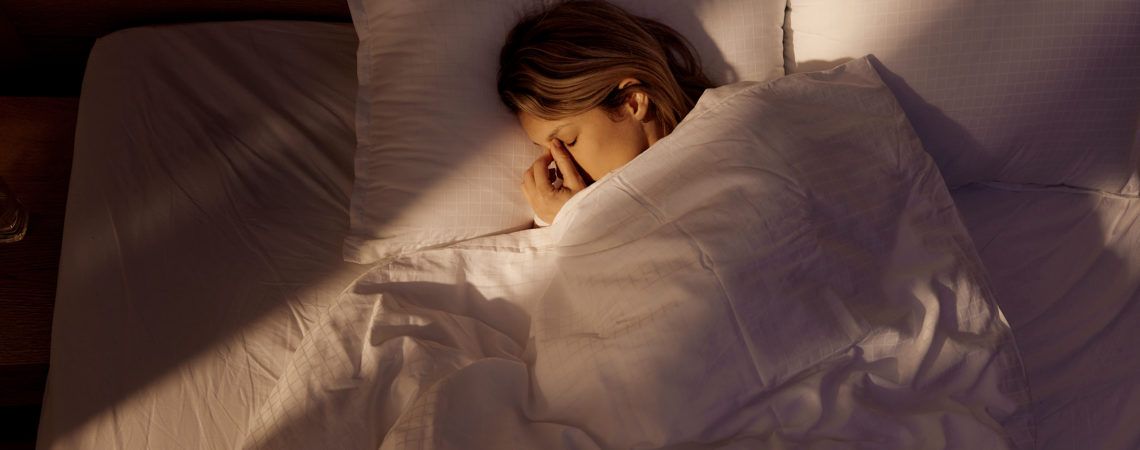
As autumn turns to winter and days grow shorter, our bodies naturally seek rest and repair. Yet for millions, true restorative sleep remains elusive. Beyond fatigue, poor sleep quietly shapes our health, hormones, and even our future longevity. At SHA, understanding — and optimizing — sleep lies at the heart of preventive medicine.
If sleep feels unrefreshing or fragmented, consulting an expert is essential. One common yet often overlooked cause is Obstructive Sleep Apnoea (OSA) — a condition where breathing repeatedly stops during sleep.
Each pause, lasting ten seconds or more, triggers the brain to partially awaken the body just enough to resume breathing. These micro-awakenings, though rarely remembered, fragment the night and prevent deep, restorative rest.
The scale of the problem is immense. According to The Lancet (2019), more than 936 million adults worldwide may suffer from OSA — with 85% remaining undiagnosed. The consequences extend beyond sleep itself: untreated apnoea raises the risk of cardiovascular disease, hypertension, metabolic dysfunction, cognitive decline, and even accidents caused by daytime sleepiness.
Early detection and tailored treatment can dramatically transform both health and quality of life. In sleep, as in longevity, awareness is the first step to prevention.
Obstructive sleep apnoea is significantly underdiagnosed in women, largely because their symptoms differ from those typically seen in men.
While men often experience loud snoring, visible pauses in breathing, and intense daytime drowsiness, women tend to present subtler signs: difficulty falling or staying asleep, chronic fatigue, morning headaches, mood swings, or palpitations.
These symptoms frequently overlap with stress, menopause, or anxiety — leading many to be misdiagnosed or simply dismissed.
Hormonal changes play a key role. Before menopause, progesterone helps maintain airway tone and breathing stability. As levels decline, the risk of sleep apnoea rises sharply, and symptoms become more evident.
Recognizing these gender-specific patterns is crucial. Women experiencing these symptoms — even without the “classic” signs of apnoea — should seek expert evaluation. Awareness can be lifesaving.
Achieving truly restorative sleep requires both scientific understanding and intentional habits. Research consistently shows that adults need between seven and nine hours of sleep per night for optimal function — yet more than 70% fall short.
The following evidence-based practices form the foundation of sleep optimization:
Over time, these small, consistent adjustments lead to measurable improvements in sleep quality, hormonal balance, cognitive function, and overall vitality.
Snoring affects roughly 40% of men and 24% of women. Though often dismissed as harmless, it may indicate deeper issues with airway obstruction and sleep quality.
Snoring not only disrupts oxygen flow and fragments sleep but can also signal underlying sleep apnoea — particularly when paired with daytime fatigue or observed pauses in breathing.
The consequences extend beyond the individual: partners of habitual snorers often experience sleep deprivation, fatigue, and irritability, impacting both relationships and wellbeing.
Modern sleep medicine offers effective solutions. Among the most successful is the mandibular advancement device — a custom oral appliance that repositions the lower jaw slightly forward to keep the airway open. It has proven highly effective for snoring and mild to moderate OSA, particularly for those who cannot tolerate CPAP therapy.
Addressing snoring is more than a matter of comfort. It protects long-term health, restores energy, and can profoundly improve quality of life — for both the individual and those they share their nights with.
The Takeaway
Sleep is not a passive state. It is an active, restorative process — the foundation upon which physical, mental, and emotional longevity is built.
Unchecked sleep disorders like apnoea quietly undermine that foundation, while simple, evidence-led interventions can rebuild it.
At SHA, we believe that restorative sleep is the true beginning of wellness — the moment when the body heals, the mind recalibrates, and the process of longevity begins anew each night.
Receive news and benefits on health and wellness.